
Why Is Sharp Bottom Airsickness Bag Essential for Modern Travel and Medical Safety?
Sharp Bottom Airsickness Bag products have become increasingly important in aviation, healthcare, marine transportation, tourism, emergency response, and passenger services. Their practical design, leak-resistant structure, compact storage, and hygienic advantages help airlines, hospitals, cruise ships, and transport operators improve passenger comfort and sanitation management. This comprehensive guide explains everything buyers, distributors, and businesses need to know about selecting high-quality airsickness bags for professional use.
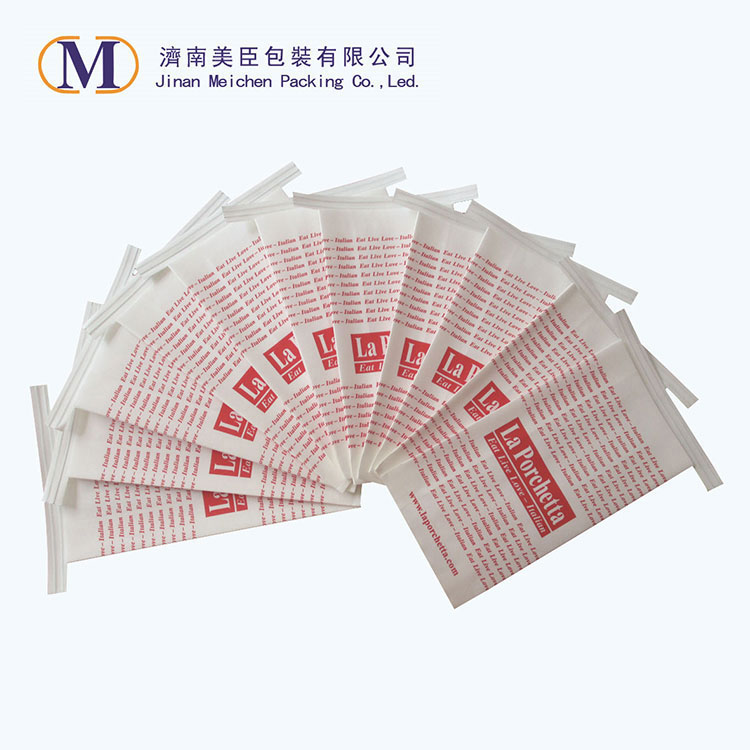
Table of Contents
- 1. Understanding Sharp Bottom Airsickness Bag
- 2. Why These Bags Matter in Transportation
- 3. Key Features of High-Quality Bags
- 4. Common Materials and Construction
- 5. Main Industries Using Airsickness Bags
- 6. Sharp Bottom vs Flat Bottom Designs
- 7. Choosing the Right Capacity
- 8. Custom Printing and Branding
- 9. Environmental and Sustainability Considerations
- 10. Hygiene and Leak Prevention
- 11. Storage and Packaging Tips
- 12. Manufacturing Standards
- 13. Important Factors Before Purchasing
- 14. Future Trends in Airsickness Bags
- 15. FAQ
- 16. Conclusion
1. Understanding Sharp Bottom Airsickness Bag
A Sharp Bottom Airsickness Bag is a specially designed disposable bag commonly used in airplanes, hospitals, buses, ships, trains, and emergency vehicles. Unlike ordinary paper bags, the sharp bottom structure allows the bag to stand more effectively while providing increased capacity and stability.
Passengers suffering from motion sickness, nausea, pregnancy discomfort, chemotherapy side effects, or travel anxiety often rely on these bags for convenience and hygiene. The design focuses on portability, leak resistance, and rapid deployment during emergencies.
Main Benefits Include:
- Leak-resistant structure
- Easy folding and storage
- Improved stability during use
- Better waste containment
- Compact transportation packaging
- Suitable for branding and printing
2. Why These Bags Matter in Transportation
Transportation operators prioritize passenger comfort and sanitary management. Unexpected nausea incidents can quickly affect customer satisfaction and operational cleanliness. A reliable airsickness bag helps crews handle these situations efficiently.
Commercial airlines especially depend on high-quality disposable sickness bags because turbulence, anxiety, dehydration, and motion sensitivity frequently affect passengers during flights.
| Industry | Importance | Common Usage |
|---|---|---|
| Airlines | Passenger comfort | Seat pocket placement |
| Hospitals | Medical hygiene | Emergency care rooms |
| Cruise Ships | Sea sickness management | Passenger cabins |
| Tour Buses | Travel comfort | Seat-side storage |
Without proper sickness management products, cleaning costs increase significantly while passenger experience decreases. Therefore, professional-grade bags are considered essential operational supplies.
3. Key Features of High-Quality Bags
Not all airsickness bags are manufactured to the same standards. High-quality products provide stronger sealing, better moisture resistance, and improved structural integrity.
Leak Resistance
Interior PE coating or laminated barriers prevent liquid penetration.
Compact Folding
Efficient folding design helps save cabin and storage space.
Strong Bottom Structure
Sharp bottom construction increases stability during use.
Odor Reduction
Advanced materials can minimize unpleasant odors.
4. Common Materials and Construction
Manufacturers typically use kraft paper, white paperboard, polyethylene coatings, biodegradable films, or laminated composites to produce airsickness bags.
Each material offers unique advantages depending on transportation conditions and budget requirements.
| Material | Advantages | Best Use |
|---|---|---|
| Kraft Paper | Eco-friendly and economical | Airlines and buses |
| PE Coated Paper | Excellent leak resistance | Medical facilities |
| Biodegradable Film | Reduced environmental impact | Sustainable projects |
| Laminated Composite | High durability | Long-distance transport |
5. Main Industries Using Airsickness Bags
Modern airsickness bags serve multiple industries beyond aviation.
- Commercial Airlines: Passenger cabin hygiene and comfort.
- Healthcare: Emergency treatment and patient care.
- Cruise Ships: Motion sickness during rough sea conditions.
- Military Transport: Long-distance personnel transportation.
- Tourism Companies: Group travel management.
- Emergency Response: Ambulance and rescue operations.
- Public Transportation: Buses and long-distance coaches.
The broad application range demonstrates the versatility and importance of high-performance sickness bags in modern transportation systems.
6. Sharp Bottom vs Flat Bottom Designs
Choosing between sharp bottom and flat bottom designs depends on storage efficiency, cost, and performance requirements.
| Feature | Sharp Bottom | Flat Bottom |
|---|---|---|
| Storage Efficiency | Excellent | Moderate |
| Material Usage | Lower | Higher |
| Portability | Very Compact | Less Compact |
| Production Cost | Cost Effective | Higher Cost |
Sharp bottom bags are especially popular in aviation because they maximize storage efficiency in limited cabin spaces.
7. Choosing the Right Capacity
Selecting the correct capacity depends on passenger volume, transportation duration, and service environment.
- Small Capacity: Short domestic flights and buses.
- Medium Capacity: Standard airline operations.
- Large Capacity: Hospitals and long-distance travel.
- Custom Sizes: Special industrial or military applications.
Businesses should evaluate usage frequency and emergency scenarios before deciding on product specifications.
8. Custom Printing and Branding
Custom printed airsickness bags can strengthen corporate branding while improving passenger trust and professionalism.
Airlines frequently print logos, emergency instructions, disposal guidelines, and multilingual information directly on the bags.
Common Printing Options:
- Company logos
- Safety instructions
- Advertising content
- Multilingual communication
- Environmental recycling messages
- Medical disposal warnings
High-quality flexographic and offset printing technologies ensure clear visibility and durable branding performance.
9. Environmental and Sustainability Considerations
Sustainability has become a major concern for transportation and healthcare industries worldwide.
Many organizations now prefer recyclable, biodegradable, and FSC-certified paper materials to reduce environmental impact.
Manufacturers are increasingly developing eco-friendly coatings that maintain liquid resistance while improving biodegradability.
| Sustainable Feature | Benefit |
|---|---|
| Recyclable Paper | Reduces waste |
| Biodegradable Coatings | Faster decomposition |
| Water-Based Ink | Lower chemical emissions |
| Reduced Material Thickness | Less resource consumption |
10. Hygiene and Leak Prevention
Hygiene remains one of the most critical factors when selecting disposable sickness bags.
Poor-quality bags may tear or leak under pressure, causing contamination and operational disruptions.
Reliable products should undergo strict quality control testing including:
- Leak resistance testing
- Compression strength testing
- Moisture barrier evaluation
- Seam durability inspection
- Temperature stability testing
Advanced sealing technologies help prevent accidental spills while improving user confidence during emergency situations.
11. Storage and Packaging Tips
Proper storage ensures long-term performance and reduces product damage during transportation.
- Store in dry environments
- Avoid direct sunlight exposure
- Protect against excessive humidity
- Use sealed cartons during shipping
- Maintain organized inventory rotation
Bulk packaging solutions can significantly reduce logistics costs for airlines and healthcare distributors.
12. Manufacturing Standards
Professional manufacturers follow strict production procedures to ensure consistent quality and safety compliance.
Important production considerations include:
- Food-grade or medical-grade material selection
- Automated sealing systems
- Precision folding technology
- Quality inspection processes
- International packaging compliance
Reliable suppliers also provide customized dimensions, OEM services, and private label manufacturing for global distributors.
13. Important Factors Before Purchasing
Buyers should evaluate multiple factors before selecting a supplier or product model.
| Factor | Why It Matters |
|---|---|
| Leak Resistance | Prevents contamination |
| Material Quality | Improves durability |
| Printing Capability | Supports branding |
| Production Capacity | Ensures stable supply |
| Certifications | Verifies quality standards |
Long-term partnerships with experienced manufacturers can improve procurement efficiency and product consistency.
14. Future Trends in Airsickness Bags
The future of disposable sickness bags will focus on smarter materials, sustainability, and passenger experience improvements.
Emerging innovations include:
- Biodegradable waterproof coatings
- Odor-neutralizing technologies
- Antibacterial interior layers
- Compact ultra-lightweight structures
- Digital branding integration
- Eco-certified manufacturing processes
As transportation industries continue modernizing, high-performance sanitary products will remain essential operational supplies.
15. FAQ
Are Sharp Bottom Airsickness Bags leak-proof?
Most high-quality products include PE coatings or laminated barriers designed to resist liquid leakage effectively.
Can these bags be customized with logos?
Yes. Many manufacturers offer OEM printing services for airlines, hospitals, and distributors.
What industries commonly use these products?
Airlines, healthcare institutions, cruise operators, buses, military transport systems, and emergency vehicles all use airsickness bags regularly.
Are eco-friendly options available?
Yes. Recyclable paper materials and biodegradable coatings are becoming increasingly common in modern production.
Why is the sharp bottom design preferred?
The sharp bottom structure improves compact storage, reduces material consumption, and increases operational convenience.
16. Conclusion
Sharp Bottom Airsickness Bag products play a vital role in modern transportation, healthcare, and emergency management systems. Their practical structure, hygienic performance, portability, and customizable features make them an essential disposable solution for passenger comfort and sanitary protection.
From airlines and cruise ships to hospitals and public transportation systems, organizations increasingly require durable, leak-resistant, and environmentally responsible airsickness bags that meet professional operational standards.
As sustainability and passenger expectations continue evolving, manufacturers must focus on innovation, material improvement, and reliable production quality to remain competitive in global markets.
Jinan Meichen Packing Co.,Ltd specializes in high-quality Sharp Bottom Airsickness Bag manufacturing solutions with customized printing, reliable material selection, and professional OEM production services for global customers.
Contact us today to discuss your custom packaging requirements, bulk orders, and branding solutions.
Send Inquiry



X
We use cookies to offer you a better browsing experience, analyze site traffic and personalize content. By using this site, you agree to our use of cookies.
Privacy Policy