
Why Colored Paper Napkins Are Becoming a Strategic Choice for Modern Foodservice
Paper napkins have traditionally been treated as a basic disposable item, but the requirements of modern foodservice are changing. Restaurants, cafés, hotels, catering companies, event organizers, and distributors increasingly expect tableware to combine practical performance with visual consistency and flexible customization. This has created growing interest in colored paper napkins that can support both everyday service and specific dining themes.
For professional buyers, color is only one part of the purchasing decision. Absorbency, softness, wet strength, folding format, paper weight, printing quality, ink safety, packaging, and supply consistency all influence whether a napkin is suitable for commercial use. Meichen produces airlaid and colored paper napkin products for customers requiring customized sizes, folding formats, colors, and packaging.
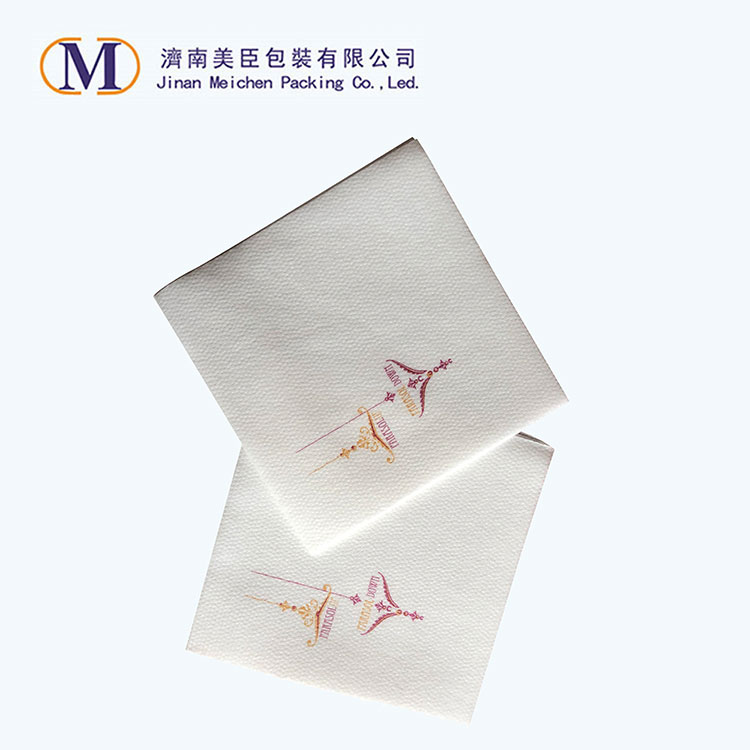
Why Color Has Become More Important in Tabletop Presentation
Moving Beyond the Traditional White Napkin
White napkins remain widely used because they provide a neutral appearance and fit almost any dining environment. However, themed restaurants, hotels, cafés, wedding venues, banquet operators, and event planners often need disposable tableware that works together with their interior design, table settings, seasonal campaigns, or brand identity.
Colored paper napkins provide a relatively simple way to introduce visual differentiation without changing the entire table setting. Deep colors can create a more formal atmosphere, while brighter colors can support casual dining, celebrations, children's events, or seasonal promotions.
Color Consistency Matters for Commercial Buyers
For a single event, a small variation in color may have limited consequences. For restaurant chains, wholesalers, and distributors, however, inconsistent color between production batches can affect the appearance of a standardized dining environment.
Buyers should therefore discuss color references, acceptable color variation, material composition, printing requirements, and sample approval procedures with the supplier before confirming large orders.
Performance Still Comes Before Appearance
Absorbency and Wet Strength
A colored napkin may look attractive, but it still needs to perform its primary function. Foodservice users expect the paper to absorb liquid efficiently and remain sufficiently intact during use.
Airlaid paper is particularly relevant in this context because its structure provides a soft, porous, fabric-like feel. Meichen describes its airlaid napkins as soft, highly absorbent, sanitary, and capable of remaining strong when wet.
Softness and User Experience
Napkin quality is also directly connected with customer experience. A paper that feels rough, tears too easily, or loses its structure when exposed to moisture can create a poor impression even when the table decoration itself looks attractive.
For hotels and restaurants positioned in the mid-range and premium segments, the balance between softness, thickness, absorbency, and appearance can therefore be an important part of disposable-tableware purchasing.
Core Parameters Buyers Should Review
| Parameter | Reference Specification | Why It Matters |
|---|---|---|
| Material | Airlaid paper / pulp-based material | Influences softness, absorbency, and strength |
| Size | 400 × 400 mm or customized | Should match the intended dining and folding format |
| Grammage | 50–70 g reference range | Affects thickness, hand feel, and absorbency |
| Number of Plies | 1 ply or customized | Influences product structure and material consumption |
| Folding Type | 1/4, 1/8, 1/16 or customized | Supports different packaging and table-setting requirements |
| Color | Customized color options | Supports restaurant themes and brand presentation |
| Printing | 1–4 color printing where applicable | Allows logos, graphics, and promotional designs |
| Ink | Water-based printing ink | Important for printing safety and environmental considerations |
| Packaging | Bag, carton, or customized packaging | Affects transport, storage, and retail presentation |
| OEM Service | Available | Useful for distributors and private-label programs |
Meichen's published product information lists 400 × 400 mm or customized sizes, 50–70 g specifications, 1/4, 1/8, and 1/16 folding options, and customized density for its colored airlaid paper napkin range. The company also states that 1–4 colors can be printed using water-based ink.
Why Airlaid Paper Is Attracting Attention
A Fabric-Like Alternative to Conventional Tissue
Airlaid paper is produced in a structure that gives it a noticeably different feel from conventional lightweight tissue. The resulting material is soft, porous, and more textile-like, making it suitable for applications where users expect more than basic wiping performance.
Meichen's product information positions airlaid napkins as a softer and more absorbent option for meals, buffets, parties, bathrooms, and other service environments.
Balancing Performance With Material Consumption
For commercial buyers, selecting a heavier napkin is not automatically the best solution. Higher grammage can improve hand feel and material strength, but it may also increase material consumption and shipping volume.
The more practical approach is to select a grammage and ply structure according to the actual application. A high-volume quick-service restaurant may prioritize cost efficiency and adequate absorbency, while a hotel banquet or wedding venue may place greater emphasis on appearance and premium tactile quality.
Where Colored Paper Napkins Fit Different Applications
Restaurants and Cafés
Restaurants and cafés can use colored napkins to coordinate tables with menus, interiors, seasonal promotions, or specific food concepts. Consistent color can also help create a recognizable visual identity across multiple locations.
Hotels and Catering Services
Hotels, banquet facilities, and catering companies often manage different types of events. A customizable napkin format allows procurement teams to select colors and folding styles according to weddings, corporate events, conferences, holidays, or daily dining service.
Parties and Events
For event organizers, color is often directly connected with the theme. Customized napkins can complement tablecloths, plates, decorations, and promotional materials without requiring expensive reusable textile products.
Wholesale and Private Label
Distributors can also use customized colored napkins as part of private-label foodservice programs. Product dimensions, folding formats, colors, packaging, and printing can be adjusted according to the requirements of different markets and customer groups.
Printing and Ink Safety Require Attention
When a colored or printed napkin is intended for foodservice, buyers should pay attention not only to the appearance of the printed design but also to the type of ink and manufacturing process used.
Meichen states that its paper products use water-based inks and advanced flexographic printing technology. Its published company information also notes that the company manufactures disposable paper products including colorized napkins and provides customized sample development.
For commercial procurement, buyers should still confirm the applicable food-contact requirements, ink specifications, documentation, and testing requirements for the destination market before placing an order.
What International Buyers Should Confirm Before Ordering
Start With the End Application
Before requesting a quotation, buyers should determine whether the napkins will be used in restaurants, hotels, catering, retail packs, events, or another application. This makes it easier to select the appropriate size, grammage, folding format, packaging, and color.
Approve Samples Before Mass Production
For customized colors and printed designs, sample approval is particularly important. Buyers should evaluate color appearance, paper softness, absorbency, folding accuracy, printing clarity, packaging, and overall dimensions before moving to mass production.
Consider Logistics as Part of the Cost
Paper products are relatively lightweight but can occupy substantial shipping volume. Packaging configuration, carton dimensions, quantity per carton, and container utilization can therefore influence the actual landed cost for international buyers.
A supplier should be able to provide clear packing information so distributors can calculate not only the unit price but also transportation and warehouse costs.
Meichen's Manufacturing Approach to Paper Disposable Products
Meichen, also known as Jinan Meichen Packing Co., Ltd., is based in Jinan, Shandong, China. The company states that its facility covers approximately 20,000 square meters and produces various disposable paper products, including airlaid paper napkins, colorized napkins, paper bags, paper cups, and other packaging products.
The company also reports the use of automated production equipment, including bag-making, hot-cutting, hot-sealing, and die-cutting machinery. It provides sample development and customized product services for customers with specific design requirements.
The Market Is Moving Toward More Customized Disposable Tableware
The role of disposable napkins is gradually moving beyond basic hygiene. For foodservice businesses, they can contribute to tabletop presentation, brand consistency, event themes, and the overall customer experience.
At the same time, buyers are becoming more attentive to material performance, responsible ink selection, customization capability, packaging efficiency, and supply consistency. These factors make supplier selection increasingly important for distributors and commercial users.
For buyers looking for a combination of visual customization and practical wiping performance, Colored Paper Napkin products made with airlaid paper provide an option worth evaluating. With customizable size, grammage, folding, color, printing, and OEM services, Meichen can support foodservice operators, distributors, catering companies, and private-label buyers seeking flexible disposable paper solutions.
Send Inquiry



X
We use cookies to offer you a better browsing experience, analyze site traffic and personalize content. By using this site, you agree to our use of cookies.
Privacy Policy